Lily Leaf Beetle Tracker
  • Home
  • Lily leaf beetle life cycle
  • Host Plants
  • Biological Control
  • News (updated 29 June 2021)
  • Lily beetle distribution (North America)
  • Thank you!! 2021 Citizen Science
  • Merci!! Science citoyenne 2021
  • The Dog-Strangling Vine Page

Saving canada lilies

6/30/2014

2 Comments

 
The Canada lily (Lilium canadense) is one of eastern Canada's most beautiful wildflowers.  Its range extends into the southern US, and it is listed as threatened or vulnerable in several states. As the lily leaf beetle expands its range, it is putting populations of Canada lily at further risk.
Picture
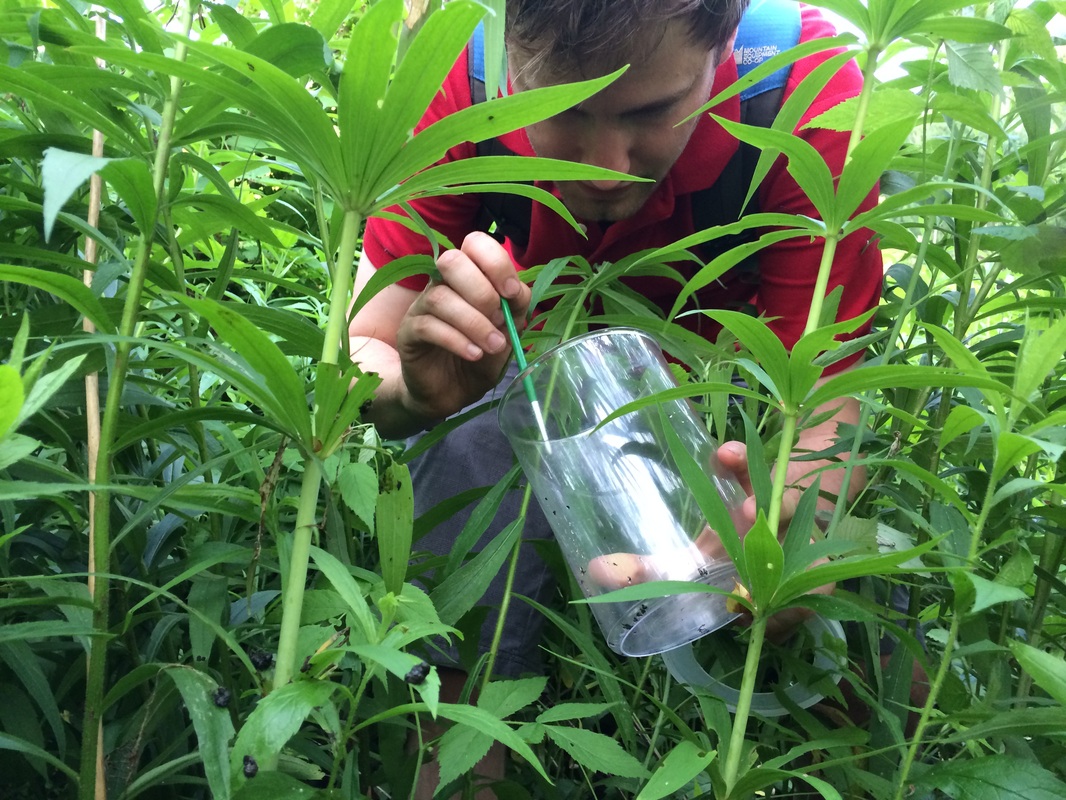
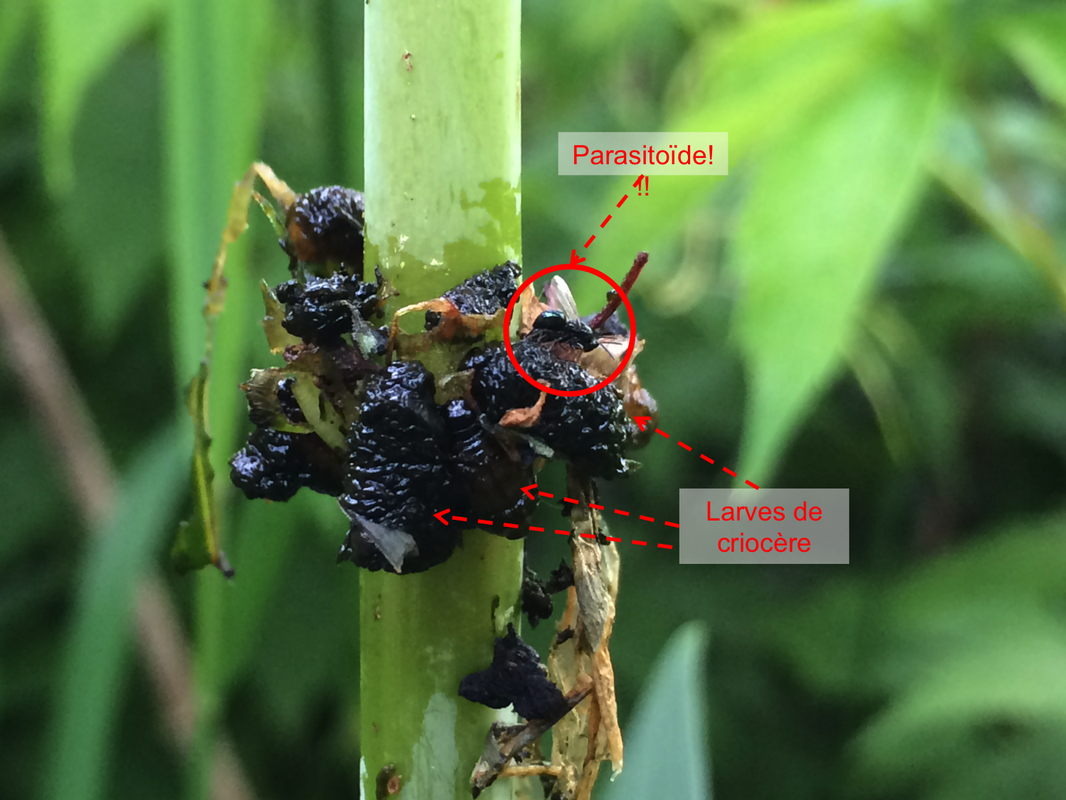
Last week, doctoral students from the University of Montreal released the biocontrol agent Tetrastichus setifer in a population of Canada lily in Quebec that was under heavy attack from the beetle. Upon release, the agent, a tiny wasp, got right to work parasitizing beetle larvae:
Picture
Hopefully, the wasp will become established and help to control the beetle so that it does not become abundant enough to kill the lilies. Back home in our Ottawa test gardens, parasitism rates this year appear to be very close to 100%.  We're even worried about not having enough lily beetles next year...imagine that!

Happy Canada Day!
Picture
2 Comments

no lily beetles at burnt lands alvar

6/14/2014

1 Comment

 
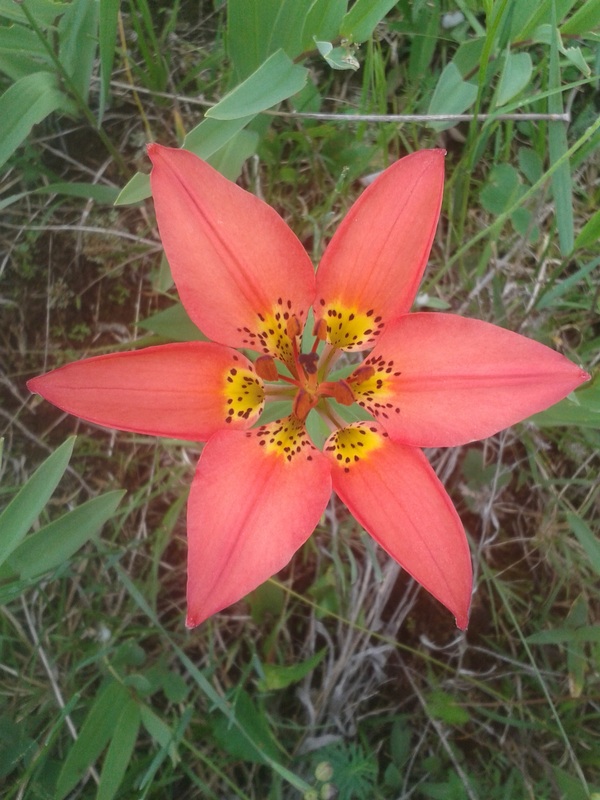
I spent a couple of hours today at the Burnt Lands Alvar, north of Almonte, ON, looking for lily beetles on the wood lilies there.  Wood lily, Lilium philadelphicum, is a good food plant for the lily beetle in the lab, but does not seem to be attacked in nature.  I have been looking for beetles on the plants at the Burnt Lands for several years now and have not even seen any damage that resembles lily beetle feeding.  It is a mystery why the lily beetles have not colonized this large population of native lilies.


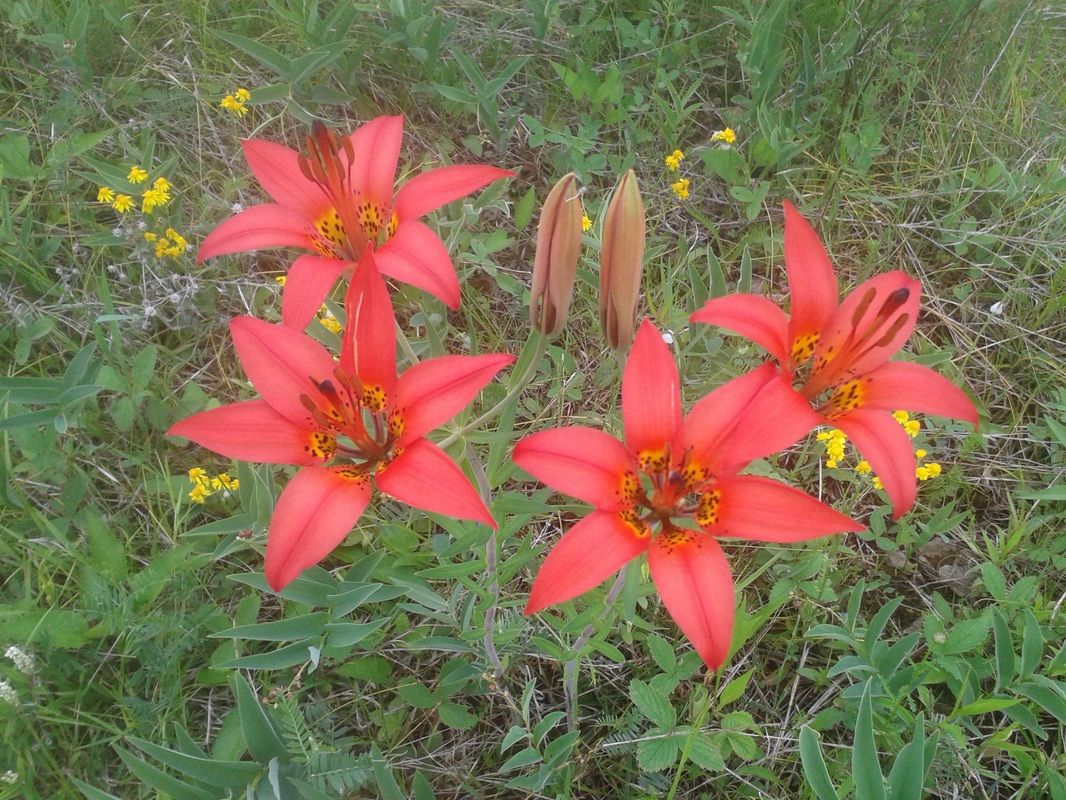
Wood lilies rival any variety of Asiatic garden lily for their beauty:
Picture
The population of lilies at the Burnt Lands seemed especially healthy this year, with hundreds of individuals in bloom. Many stems had two, three, four and even up to five flowers.
Picture
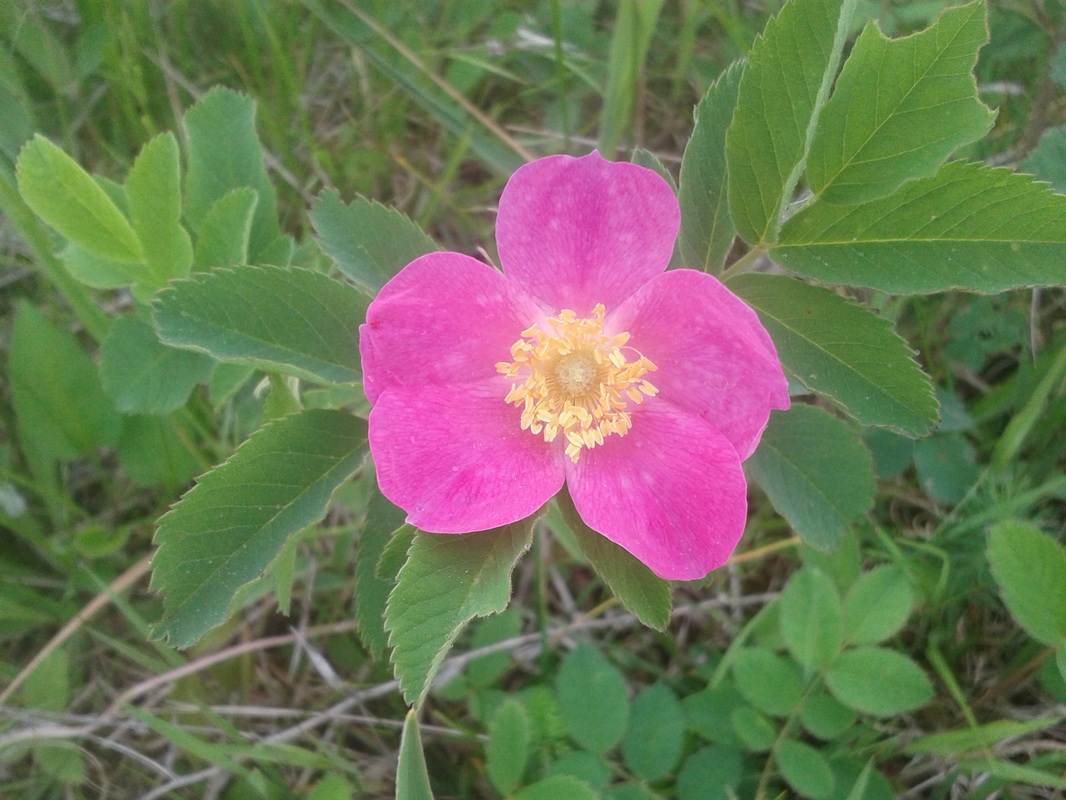
Also in bloom today were wild roses (Rosa acicularis)....
Picture
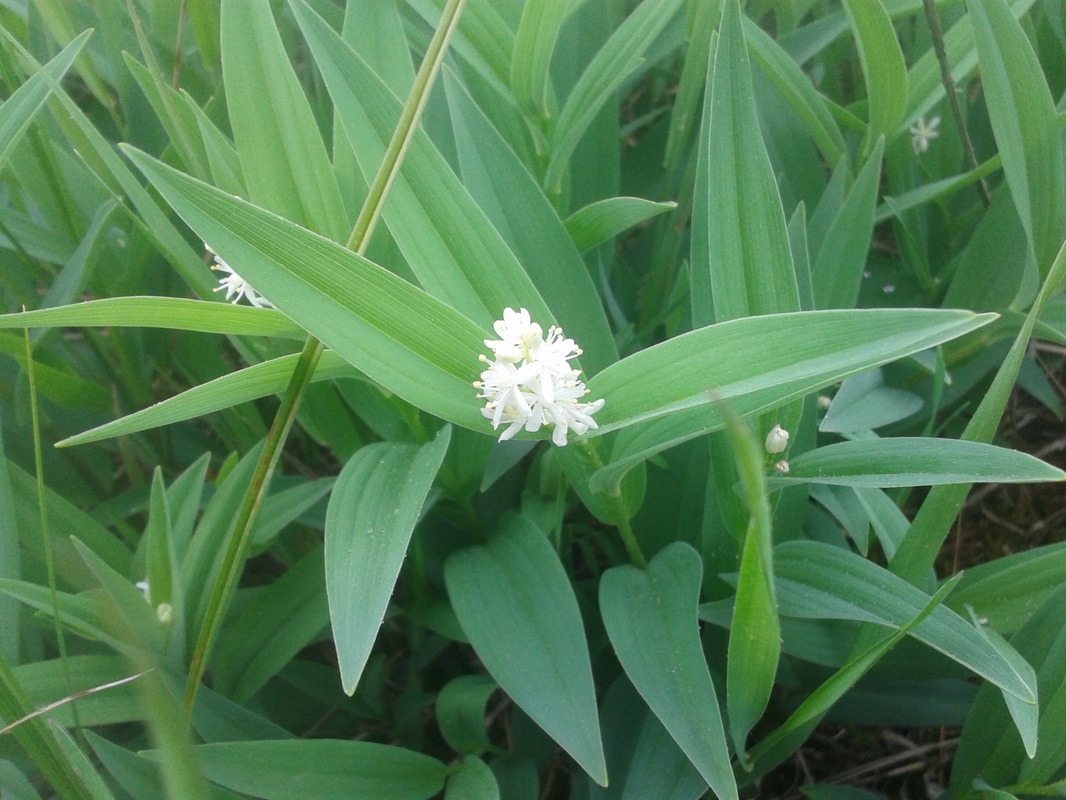
...as well as starry false Solomon's seal, which I see from the USDA Plants database I need to start calling starry false lily of the valley (Maianthemum stellata; used to be Smilacina stellata):
Picture
It was good to see that certain parcels of the alvar are now a Provincial Park, and are protected by a barrier to vehicles.  Hopefully, this will help put a stop to the poaching of wildflowers.  I did notice some fresh ATV tracks though, so people are still managing to abuse this sensitive natural area despite the barriers.
1 Comment

tetrastichus at work

6/8/2014

0 Comments

 
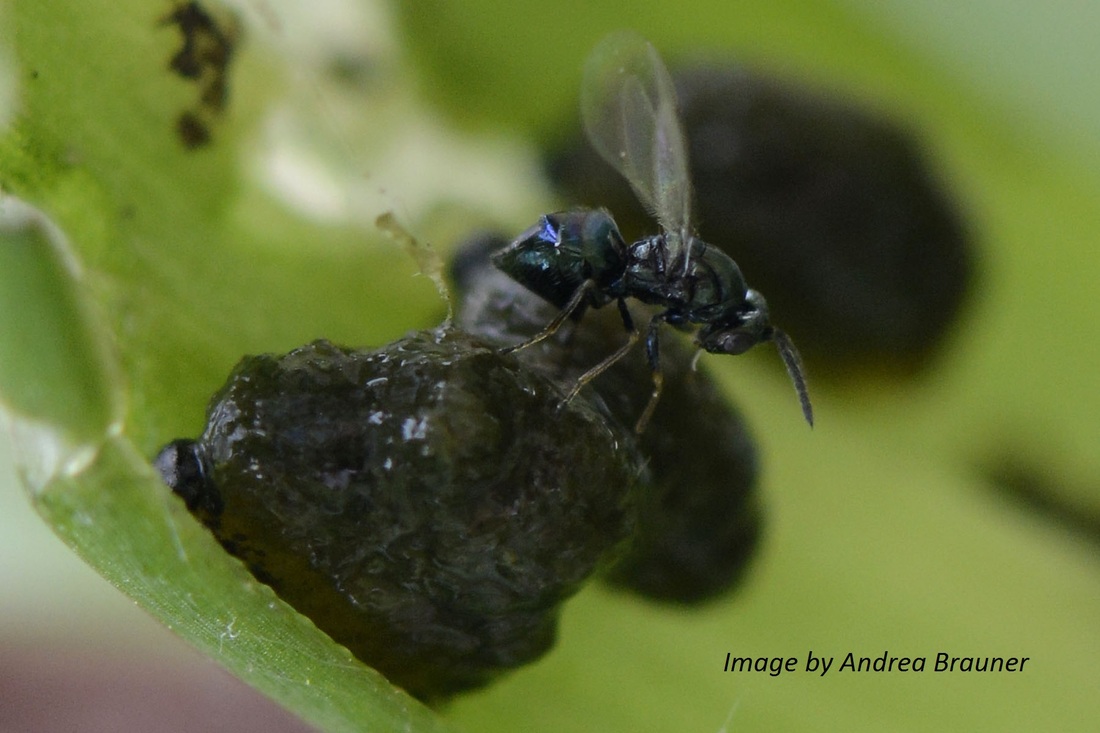
The biocontrol agent, Tetrastichus setifer, is out and about in our experimental lily garden.  Ace photographer Andrea Brauner caught this female doing what T. setifer does best:
Picture
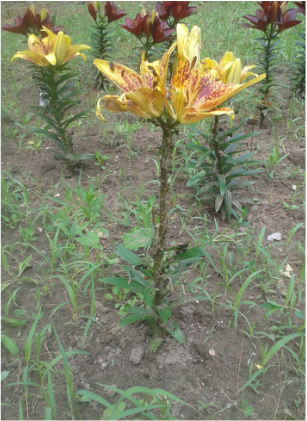
The experimental garden has several lily varieties, of which the Asiatic "Tiny nugget" seems especially susceptible.  While this is good for us, since we need a healthy lily beetle population to keep the wasps happy, you might want to avoid this particular hybrid.  
Picture
These heavily damaged plants do not mean that T. setifer is ineffective.  Last year, the wasps killed over 80% of the larvae in the garden, so to make sure our beetle population stays high, we supplement with beetles found in other gardens.
0 Comments

wanted: biocontrol release sites

6/1/2014

11 Comments

 
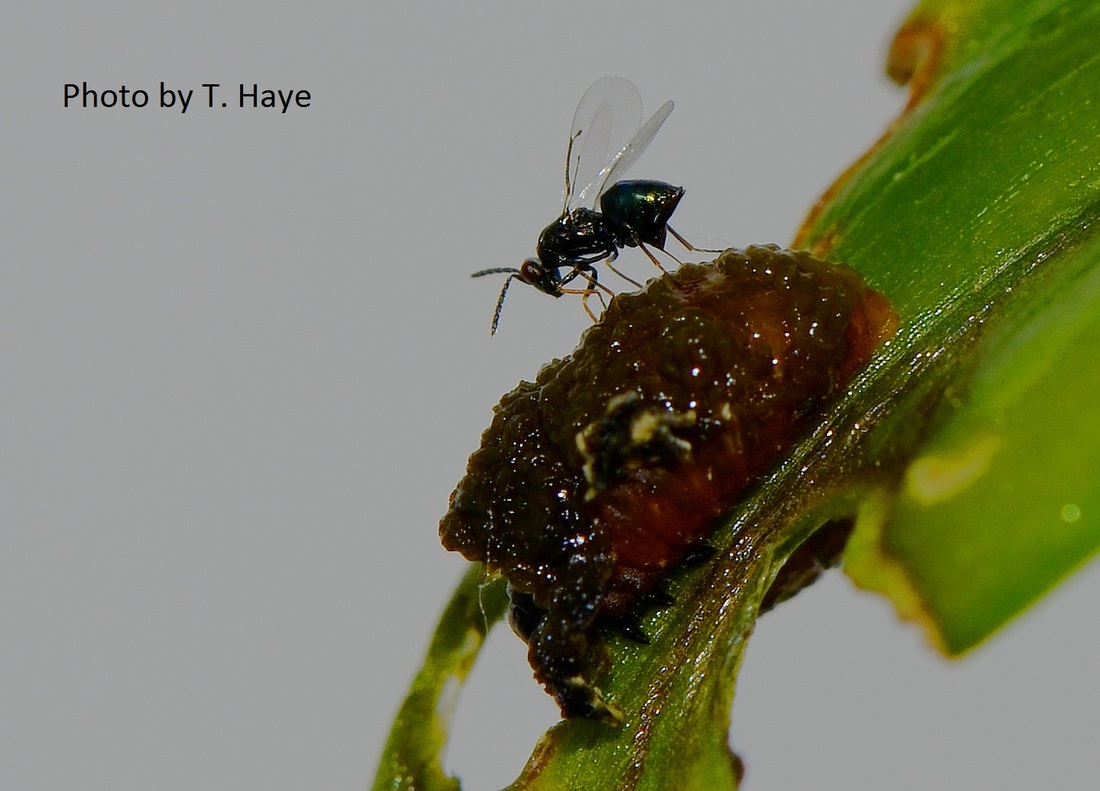
Our biological control program at the Experimental Farm in Ottawa has been a great success.  The tiny wasp Tetrastichus setifer (shown below) has become established in our experimental garden and is quite abundant. This past week, I saw nearly as many wasps as beetle larvae on our lilies.
Picture
Additional wasps in parasitized lily beetle cocoons from last year have been removed from cold storage. If their survival was good, then we expect to have a surplus of wasps.  We would like to find additional release sites for these wasps. We will give priority to sites that meet the following criteria:
  • large number (50+) lily plants
  • in neighbourhoods where other gardeners grow lilies
  • not exposed to pesticides
  • gardener must agree to allow lily beetles to feed and develop so that they may become parasitized
  • gardener must agree to follow-up collection of larvae to assess success of release

The following metropolitan areas will be given priority (if your city is not on the list, we probably already have a contact there):
  • Edmonton
  • Winnipeg
  • Toronto
  • Halifax

If you meet the criteria and would like your garden to become a release site, please email me: Naomi_Cappuccino at carleton.ca.
11 Comments

    Author

    Naomi Cappuccino was a member of the Department of Biology at Carleton University in Ottawa, Ontario, Canada. She is now retired and no longer updating this site.

    Archives

    June 2021
    June 2016
    May 2016
    September 2015
    June 2015
    June 2014
    May 2014
    April 2014
    March 2014
    October 2013
    July 2013
    June 2013
    May 2013
    April 2013
    February 2013
    January 2013

    Categories

    All

    RSS Feed

Powered by Create your own unique website with customizable templates.